Understanding R-Value and Spray Foam Insulation R Value Per Inch
When homeowners in Duluth start researching insulation options, the term 'R-value' comes up immediately. R-value measures thermal resistance, or how well a material prevents heat from flowing through it. The higher the R-value, the better the insulation performs. However, not all insulation materials deliver the same R-value per inch, which is where spray foam becomes particularly interesting for Minnesota homeowners.
Closed Cell Spray Foam Insulation typically delivers an R-value of 6.0 to 7.0 per inch, making it one of the most efficient insulation materials available. In contrast, traditional fiberglass batts provide only about R-3.2 to R-3.8 per inch, and blown cellulose offers roughly R-3.6 per inch. This means that closed cell spray foam achieves superior thermal performance in a thinner application, which is especially valuable in attics where space matters. Open Cell Spray Foam Insulation, while less dense, still delivers R-3.5 to R-3.6 per inch and offers excellent air sealing properties at a lower cost point.
R Value Requirements by State: What Minnesota Demands
Minnesota's building code requires specific insulation levels based on climate zone and application. For attics in the Duluth area, the Minnesota State Building Code typically mandates an R-value of R-49 to R-60 for attic insulation, depending on the specific requirements and whether you're building new or retrofitting an existing home. This is significantly higher than many other states because Minnesota experiences harsh winters with extended heating seasons.
Understanding these requirements matters because they directly impact how thick spray foam needs to be and which type makes the most sense for your project. If you choose closed cell spray foam at R-6.5 per inch, you would need approximately 7.5 to 9 inches to meet the minimum requirement. Open cell foam would require roughly 13 to 17 inches to achieve the same R-value. These thickness differences affect installation complexity, cost, and available space in your attic. Before making any decisions, it's worth getting a professional assessment to ensure your chosen solution meets Minnesota code and performs optimally in our climate.
Air Sealing or Full Spray Foam: What Your Home Actually Needs
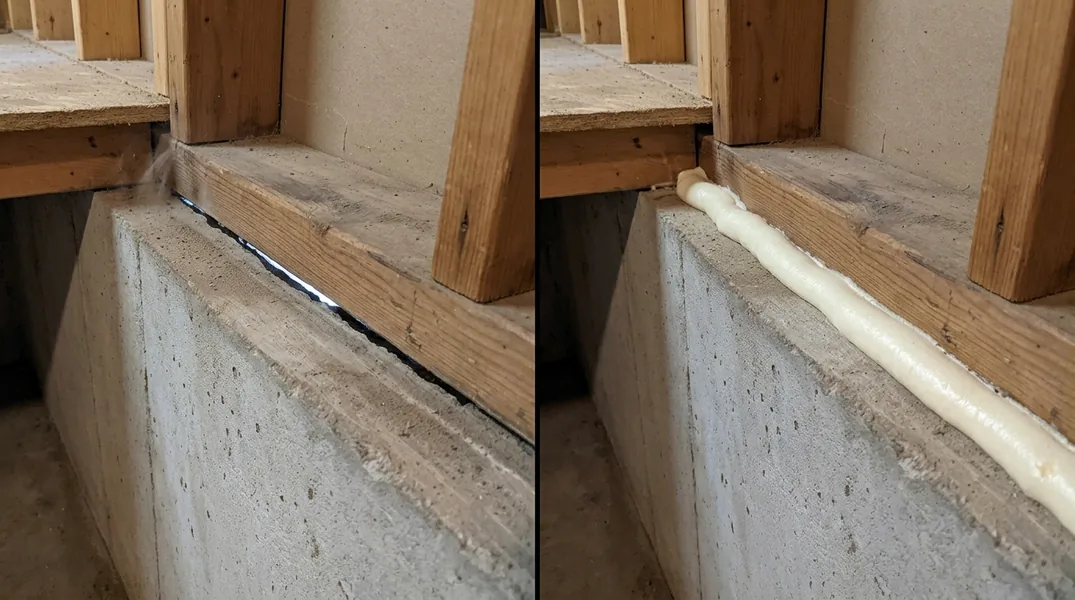
Many homeowners face a critical choice: should they invest in air sealing alone, or go with comprehensive spray foam insulation? The answer depends on your home's current condition, your budget, and your long-term comfort goals. Air sealing focuses on closing gaps, cracks, and penetrations where conditioned air escapes. It's a targeted approach that addresses the biggest energy leaks first. Full spray foam insulation, particularly Attic Spray Foam Insulation, provides both air sealing and high thermal resistance in one application.
Air sealing alone works best if your existing insulation is already adequate but your home has noticeable drafts, cold spots, or high energy bills despite decent R-values. Common air leak sources include recessed lighting fixtures, electrical outlets, attic hatches, and where utilities penetrate the attic floor. Sealing these areas with caulk, weatherstripping, or foam sealant can reduce energy loss by 10 to 15 percent. However, if your insulation is already thin or your attic lacks proper air barriers, air sealing becomes a temporary fix rather than a complete solution.
Full spray foam insulation makes sense when you need both air sealing and thermal resistance. Since spray foam expands to fill cavities and cracks, it simultaneously blocks air leakage and provides insulation value. For homes in Hermantown and surrounding areas dealing with Minnesota winters, this dual benefit often delivers superior comfort and energy savings over time. The upfront investment is higher, but the performance improvement is measurable and lasting.
How Thick Should Spray Foam Be: Finding the Right Depth for Your Attic
Determining the correct thickness for spray foam insulation involves balancing R-value requirements, available space, and budget constraints. As mentioned earlier, closed cell spray foam at R-6.5 per inch would require roughly 7.5 to 9 inches to meet Minnesota's R-49 to R-60 attic requirement. However, many professionals recommend going slightly higher to account for settling, compression over time, and to ensure consistent coverage across the entire attic surface.
The practical thickness also depends on your attic's structure. If you have adequate clearance and no ventilation concerns, installing 8 to 10 inches of closed cell spray foam is straightforward and delivers excellent results. If your attic has limited depth or existing ductwork and mechanical systems, open cell foam might be the better choice since it requires more thickness but is less rigid and easier to work around obstacles. Additionally, spray foam should never be installed directly against your roof sheathing without proper ventilation considerations, as moisture can become trapped. A professional assessment ensures your installation meets code and performs as expected in our climate.
The best way to determine the ideal thickness for your specific home is to schedule a free estimate with Duluth Spray Foam Insulation. Our team evaluates your attic's current condition, measures available space, reviews your energy goals, and recommends the most cost-effective solution.
Insulation Tax Credit and Insulation Rebates: Making Spray Foam More Affordable
One of the most overlooked advantages of upgrading your home's insulation is the potential for tax credits and rebates. The federal government offers an insulation tax credit that can offset a portion of your spray foam installation costs. Homeowners may qualify for up to 30 percent of the cost of eligible energy-efficient home improvements, including insulation, up to certain annual limits. This credit applies to both new construction and retrofits, making it accessible for most homeowners upgrading existing homes.
Beyond federal credits, Minnesota utilities and local programs often provide insulation rebates. Xcel Energy and other providers occasionally offer rebates for improving attic insulation or sealing air leaks. The rebate amounts vary by program and your specific situation, but they can range from a few hundred to several thousand dollars. Additionally, some Proctor and area municipalities offer energy efficiency grants or rebate programs. Before scheduling your installation, ask Duluth Spray Foam Insulation about current incentives and rebate programs you might qualify for. Our team can often help you navigate these opportunities and maximize your savings.
When combined with the long-term energy savings from improved insulation, these credits and rebates make spray foam a far more attractive investment than many homeowners initially realize. A project that seems expensive upfront often pays for itself within five to seven years through reduced heating and cooling costs.
Making Your Final Decision: When to Call a Professional
After understanding R-values, thickness requirements, and available incentives, the final step is determining whether your home needs air sealing, full spray foam, or a combination of both. This decision should be based on a professional energy audit or home assessment. A trained technician can use thermal imaging, blower door tests, and visual inspection to identify your home's biggest energy weaknesses and recommend the most effective solution.
If you're ready to move forward, Duluth Spray Foam Insulation is here to help. We serve homeowners throughout Duluth and surrounding communities, offering comprehensive insulation solutions tailored to Minnesota's climate and building requirements. Whether you need a full attic spray foam upgrade or targeted air sealing, our team has the expertise and experience to deliver results that improve your comfort and lower your energy bills. Call us today at (218) 241-4881 or visit our website to request a free estimate and learn exactly what your home needs.
Looking for a professional spray foam insulation contractor in Duluth? Duluth Spray Foam Insulation responds fast for all your spray foam insulation needs.
Get a Free Quote