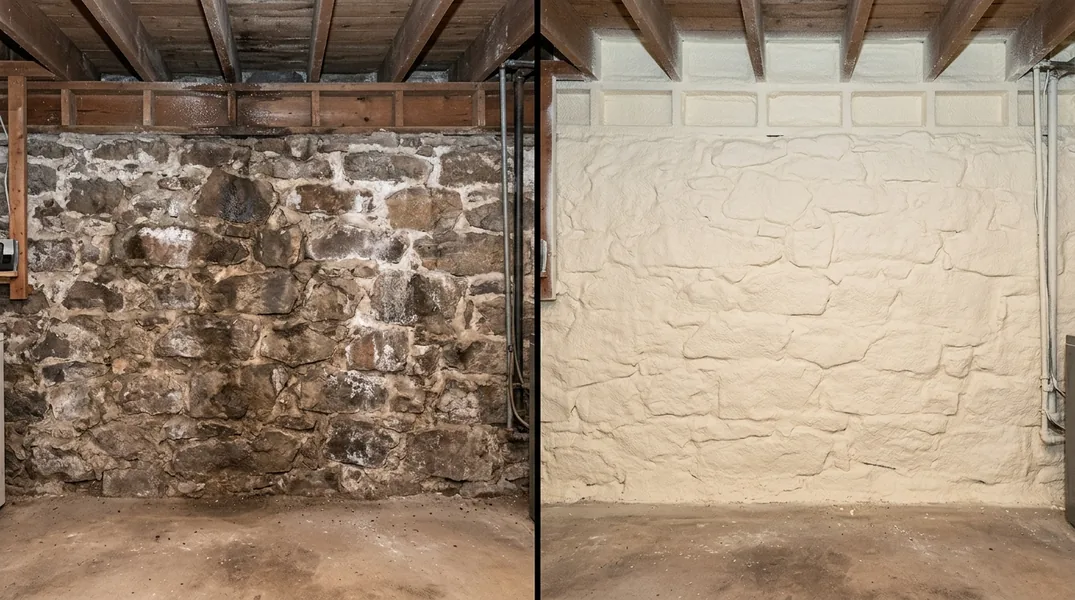
Understanding Spray Foam Attic Insulation: The Basics
Attic spray foam insulation has become increasingly popular among homeowners in Duluth looking to improve energy efficiency and comfort. Unlike traditional fiberglass batts or blown-in cellulose, spray foam creates an air-tight seal that expands to fill every crack, crevice, and cavity in your attic space. This superior air sealing capability makes spray foam one of the most effective insulation solutions available today.
When it comes to spray foam, there are two main types: open cell and closed cell. Both offer distinct advantages and disadvantages, and the right choice for your home depends on several factors specific to the Duluth climate and your budget. Understanding the differences between these two options is essential before making a decision that will affect your home's comfort and energy bills for years to come.
What Is Open Cell Spray Foam Insulation?
Open Cell Spray Foam Insulation is a lighter, more flexible material that has a lower density than its closed cell counterpart. The cells in this foam are not completely enclosed, which means they remain open and interconnected. This structure gives open cell foam its characteristic spongy feel and allows it to be slightly more permeable to moisture vapor, making it a semi-permeable insulation option.
The primary advantage of open cell foam is its cost effectiveness. It typically costs less per board foot than closed cell foam, making it an attractive option for budget-conscious homeowners. Additionally, open cell foam provides excellent sound dampening properties, which can reduce noise transmission through your attic. The material also offers a respectable R-value of approximately 3.5 to 3.6 per inch, which is adequate for many applications. However, open cell foam is not vapor-impermeable, so it works best in applications where moisture control is not a primary concern or where a vapor retarder is installed separately.
What Is Closed Cell Spray Foam Insulation?
Closed Cell Spray Foam Insulation is a denser, more rigid foam where the cells are completely enclosed and packed tightly together. This structure creates a vapor-impermeable barrier that provides superior moisture resistance and air sealing capabilities. The material is stronger and more durable than open cell foam, making it ideal for structural applications and areas prone to moisture exposure.
The main benefit of closed cell foam is its exceptional performance. It delivers an impressive R-value of 6.0 to 7.0 per inch, nearly double that of open cell foam, which means you need less thickness to achieve the same insulation value. Closed cell foam also provides a complete air and moisture barrier, making it the ideal choice for unvented attic spray foam applications where you want to create a sealed attic insulation system. The trade-off is that closed cell foam costs significantly more than open cell, typically 1.5 to 2 times the price per board foot. For homeowners willing to invest more upfront, the superior performance and durability often justify the higher cost.
Duluth's Climate: Which Foam Type Makes Sense?
Duluth experiences a humid continental climate with cold, long winters and short summers. Snow accumulation is significant, and temperature fluctuations can be extreme. These environmental conditions play a crucial role in determining which spray foam type is best suited for local homes. The harsh winters mean that attic insulation must perform exceptionally well to prevent heat loss and reduce heating costs, while summer humidity requires moisture management to prevent mold and wood rot.
For most Duluth homes, Closed Cell Spray Foam Insulation is often the superior choice due to the region's cold climate and moisture challenges. The vapor-impermeable nature of closed cell foam prevents warm, moist air from the living spaces below from condensing in the attic during winter, which is a critical concern in northern Minnesota. Additionally, the higher R-value means you achieve better thermal performance with less material, reducing the overall volume needed in your attic space. However, open cell foam can still be a viable option if properly installed with a separate vapor retarder, and it may be chosen by homeowners prioritizing cost savings over maximum performance.
Attic Spray Foam Insulation Cost in Duluth: What to Budget
The pricing for spray foam insulation varies based on several factors, including the type of foam selected, the size of your attic, the desired R-value, and current market conditions. Open cell foam typically ranges from 40 to 60 cents per board foot, while closed cell foam generally costs between 80 cents and 1.50 dollars per board foot. For a typical 1,500 square foot attic in Duluth, you might expect to spend anywhere from 3,000 to 8,000 dollars depending on the foam type and thickness applied.
Beyond the material cost, professional installation is essential for optimal performance and safety. Duluth Spray Foam Insulation provides transparent pricing information and can help you understand exactly what you'll invest in your attic project. While closed cell foam requires a larger upfront investment, many homeowners find the energy savings and superior performance justify the expense over time. A well-insulated attic can reduce heating and cooling costs by 10 to 30 percent, meaning your investment often pays for itself within 5 to 10 years. To get an accurate quote tailored to your specific attic and goals, contact Duluth Spray Foam Insulation at (218) 241-4881 or request a free estimate today.
Making Your Decision: Open Cell vs. Closed Cell for Your Home
Choosing between open cell and closed cell spray foam ultimately depends on your priorities, budget, and specific home conditions. If cost is your primary concern and you're willing to accept a slightly lower R-value, open cell foam offers good insulation performance at a more accessible price point. It's also an excellent choice if you're planning to install a vapor retarder separately or if you're insulating interior walls where moisture is less of a concern. Many homeowners appreciate the sound-dampening benefits that open cell foam provides as a bonus feature.
Conversely, if you want maximum energy efficiency, superior moisture protection, and a truly sealed attic insulation system, closed cell foam is the better investment for Duluth homes. The higher R-value means faster payback through energy savings, and the vapor-impermeable properties provide peace of mind in our cold, humid climate. Closed cell foam also adds structural rigidity to your attic, which some homeowners value. Ultimately, the best choice is the one that aligns with your long-term goals and budget. The team at Duluth Spray Foam Insulation has extensive experience helping local homeowners make this decision. We recommend scheduling a consultation to discuss your specific situation, home condition, and energy goals. Call us at (218) 241-4881 or visit our website to request a free estimate and let our experts guide you toward the right solution for your attic insulation needs.
Looking for a professional spray foam insulation contractor in Duluth? Duluth Spray Foam Insulation responds fast for all your spray foam insulation needs.
Get a Free Quote