Understanding Spray Foam Insulation: Open Cell vs Closed Cell
If you're planning an Attic Spray Foam Insulation project for your home, one of the first decisions you'll face is choosing between open cell and closed cell spray foam. These two types of insulation are fundamentally different in structure, performance, and cost, and understanding the distinction will help you make the right choice for your Duluth home.
Open cell spray foam is a lighter, more flexible material that contains cells not completely filled with gas. Think of it as a sponge with interconnected pockets. This structure allows water vapor to pass through, making it breathable. Open cell foam is typically less expensive and offers excellent sound dampening properties, which can be a real advantage if you're looking to reduce noise in your attic space. However, because of its permeable nature, it's not the best choice for areas prone to moisture or water intrusion.
Closed cell spray foam, by contrast, has cells that are completely filled and sealed, creating a dense, rigid barrier. This type of insulation is moisture-resistant and provides superior air sealing properties. It's also more durable and can add structural integrity to your walls and roof. The trade-off is that closed cell foam costs more upfront, but many homeowners find the added benefits justify the investment, especially in the humid climate of northern Minnesota.
Spray Foam R-Value: What You Need to Know
The R-value is a critical metric when evaluating any insulation material, and it measures thermal resistance, or how well a material prevents heat from passing through it. Higher R-values mean better insulation performance. Understanding the spray foam R-value for each type will help you determine which product best suits your needs and climate zone.
Open Cell Spray Foam typically has an R-value of approximately 3.5 to 3.6 per inch of thickness. This means that to achieve an R-value of R-30 (a common target for attic insulation in colder climates), you'd need roughly 8 to 9 inches of open cell foam. While this is effective, it requires more material thickness to reach desired insulation levels.
The closed cell spray foam R-value is significantly higher, ranging from 6.0 to 7.0 per inch of thickness. This superior performance means you need less material to achieve the same thermal resistance. To reach R-30, you'd only need approximately 4 to 5 inches of closed cell foam. In a region like Duluth, where winters are harsh and heating costs can be substantial, this efficiency can translate to meaningful energy savings over time. The higher R-value per inch also makes closed cell foam ideal for spaces where thickness is limited, such as rim joists or cathedral ceilings.
Climate Considerations for Duluth Homeowners
Living in Duluth means dealing with cold winters, moderate summers, and occasional humidity. These climate factors should heavily influence your choice between open cell and closed cell spray foam insulation. The goal is to select a product that not only keeps heat inside during winter but also prevents moisture problems year-round.
For most Duluth homes, Closed Cell Spray Foam Insulation is often the better choice. Its moisture-resistant properties protect against the occasional water intrusion that can occur during spring thaws or heavy rains. The superior R-value also means your heating system won't work as hard during those long, cold winters, reducing your energy bills. Additionally, closed cell foam's structural benefits can help reinforce your attic and walls, adding durability to your home.
That said, open cell foam still has merit if your budget is constrained or if you're primarily concerned with sound reduction. The key is ensuring proper ventilation and moisture management in your attic space. Many homeowners in the area find success with open cell foam when combined with proper vapor barriers and ventilation strategies. The best approach is to discuss your specific situation with a local insulation professional who understands the unique challenges of the Minnesota climate.
Attic Spray Foam Insulation Cost in Duluth: What to Budget
Cost is always a consideration for home improvement projects, and spray foam insulation is no exception. Understanding the factors that influence pricing will help you budget appropriately and make an informed decision about which type of foam is right for you.
Open cell spray foam is generally less expensive per square foot, typically ranging from $0.40 to $0.65 per board foot. Closed cell foam costs more, usually between $1.00 and $1.50 per board foot. However, because closed cell foam requires less thickness to achieve the same R-value, the total project cost may be more comparable than the per-foot prices suggest. For example, a 1,000-square-foot attic might cost less to insulate with 4 inches of closed cell foam than with 8 inches of open cell foam, depending on local labor rates and material availability.
Additional factors affecting cost include the complexity of your attic layout, the current condition of the space, and any necessary preparation work. Attics with multiple obstructions, irregular shapes, or existing insulation that needs removal will typically cost more. Moisture remediation or mold treatment, if needed, will also add to the project expense. To get an accurate estimate tailored to your home, contact Duluth Spray Foam Insulation at (218) 241-4881 or request a free estimate. A professional assessment of your specific attic will provide a realistic picture of what your project will cost.
Preparation and What to Expect During Installation
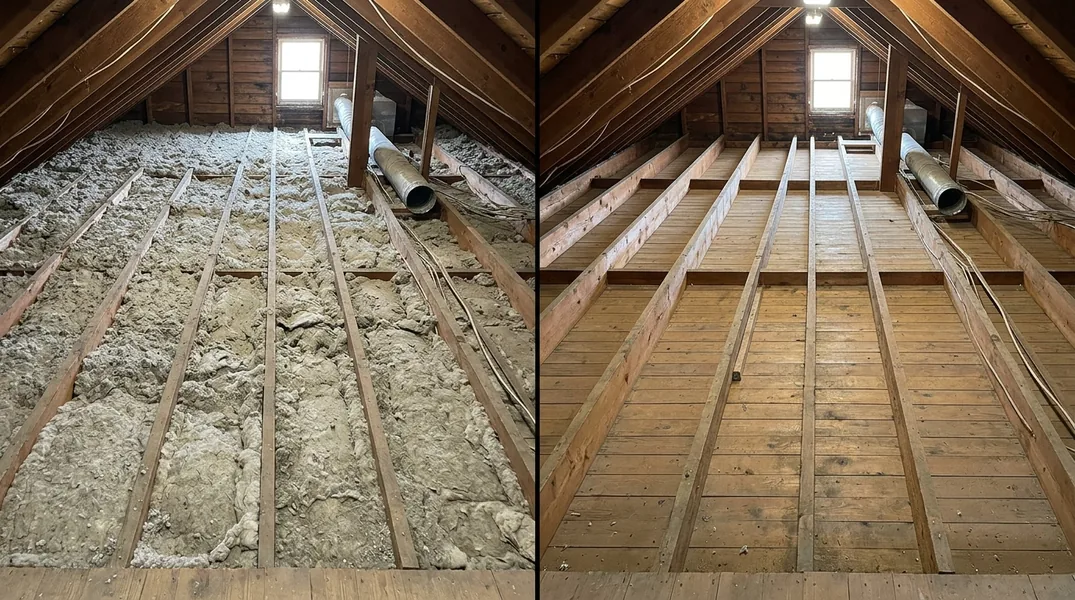
Before your Attic Spray Foam Insulation installation begins, proper preparation is essential. Your contractor should conduct a thorough inspection of your attic to identify any existing problems, such as moisture, mold, or pest damage. Any issues discovered should be addressed before foam application to ensure the longevity and effectiveness of your new insulation.
During the preparation phase, your contractor may need to seal air leaks, repair roof leaks, or address ventilation concerns. They'll also identify areas where the foam should and shouldn't be applied. For instance, soffit vents must remain unobstructed to allow proper attic ventilation, so skilled contractors know to leave these areas clear. If you have any existing insulation, decisions about removal versus leaving it in place will be made based on the condition and type of material.
The actual spray foam application process typically takes one to two days, depending on the size of your attic. The work involves specialized equipment and trained technicians who apply the foam in a controlled manner. You should plan to stay out of the attic during and immediately after application, as the material needs time to cure. Your contractor will provide specific instructions about when it's safe to re-enter the space and how to maintain your new insulation going forward. If you have questions about the preparation process or want to learn more about what to expect, the team at Duluth Spray Foam Insulation is ready to walk you through every step.
Making Your Final Decision
Choosing between open cell and closed cell spray foam ultimately depends on your specific priorities, budget, and home's characteristics. Both products offer significant improvements over traditional fiberglass insulation, providing better air sealing, moisture control, and energy efficiency. The key is understanding the trade-offs and selecting the option that best aligns with your goals.
For homeowners in Duluth seeking maximum energy efficiency and long-term durability, closed cell foam typically delivers the best return on investment. Its superior R-value, moisture resistance, and structural benefits make it ideal for the northern Minnesota climate. However, if budget is your primary concern and you can implement proper ventilation and moisture management, open cell foam remains a solid option.
Don't hesitate to reach out to a local expert who understands your area's specific needs. The team at Duluth Spray Foam Insulation has extensive experience helping homeowners throughout the region make the right choice for their attics and walls. Call (218) 241-4881 today or request a free estimate to discuss your project with a knowledgeable professional. With the right insulation in place, you'll enjoy a more comfortable home, lower energy bills, and peace of mind knowing your investment is protecting your property for years to come.
Looking for a professional spray foam insulation contractor in Duluth? Duluth Spray Foam Insulation responds fast for all your spray foam insulation needs.
Get a Free Quote